The Caregiver
Principals and Practice
Investing quality time into each and every child
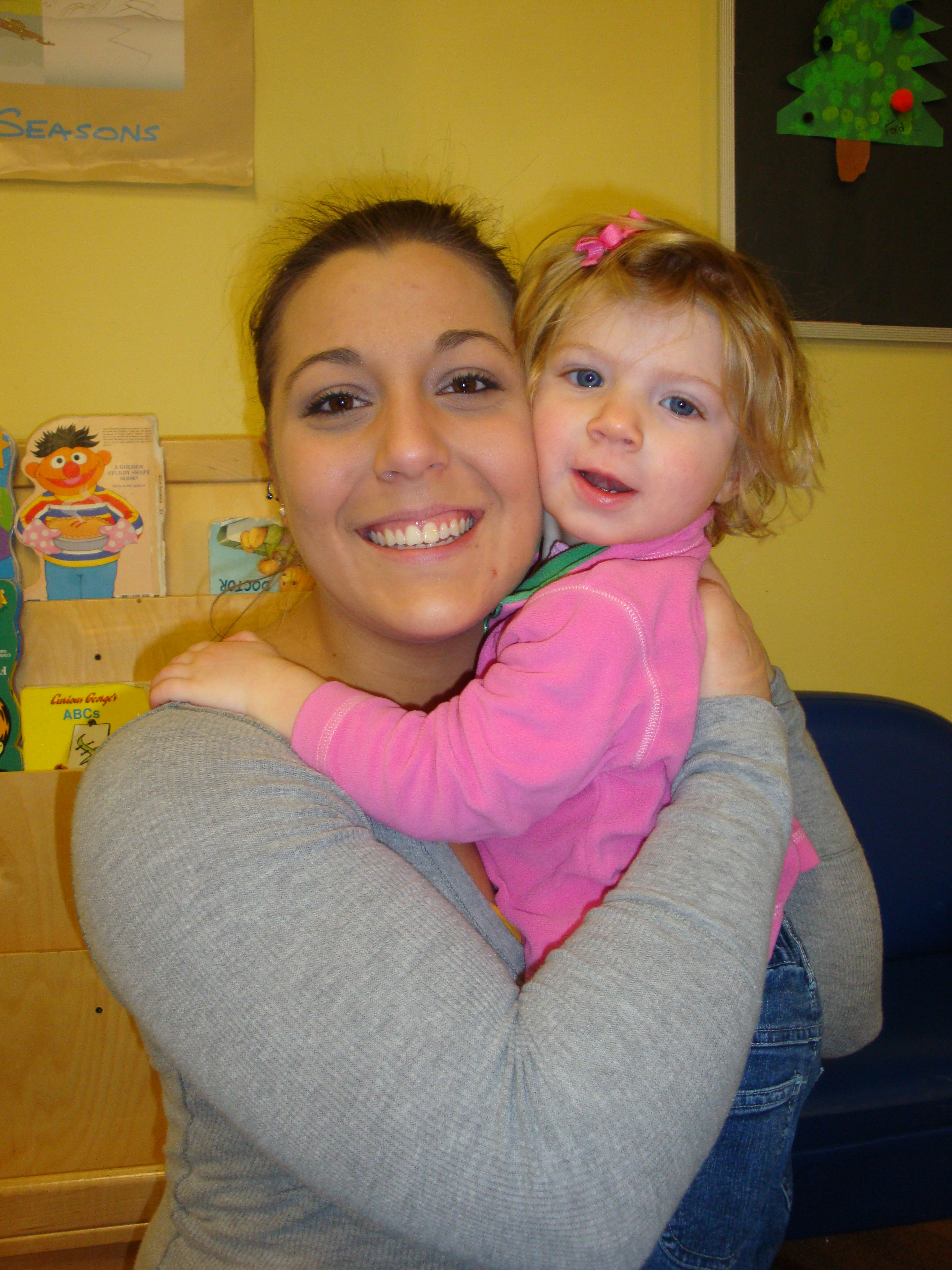
Creating bonds between the caregiver and child are an important part of making sure a child is safe and comfortable. We promote quality time between all children and staff members to create that trust they so desperately need.
Respecting Infants and Toddlers as Worthy People
These little beings are our future, and we respect them and hold them to a very high standard. We want to make sure they are given every opportunity to acquire the very skills needed to learn and grow!
Involving the Child in Things that Interest Them
We want to concentrate on the interests of each child and expant that into our lesson plans and daily activities. When a child enjoys a subject being taught they are more apt to engage in it and learn from the experience.
Be Honest with Your Feelings
Children need to know that it is perfectly normal to express their emotions. It is what we do with these emotions that are the most important learning tool. We encourage verbalizing their emotions and good practices on acting out what they are feeling.
Education
"For education to occur the teachers must understand how infants and toddlers develop and learn" (Eyer and Gonzalez-Mena, 2012).
Your child's education is important to us, and that is why we strive to give them all of the necessary tools to learn in a positive, comfortable environment.
Curriculum
Infants and toddlers are constantly growing, changing, and exploring the world around them. Our curriculum caters to their specific needs to ensure successful development and learning. We focus on learning through the five senses and take into consideration all of the developmental areas - social, emotional, cognitive and physical.
Take a look at our Sample Calendar!
Assessment
A big part of the education process is assessment. Caregivers need to reflect on their observations of the children, understand what they need, and create a setting and experience that helps each and every child (Eyer and Gonzalez-Mena, 2012). Our assessment process does just that. Each teacher creates an Individual Student Profile that is recorded in on a daily basis. This profile is used to present progress and give parents documentation of their child's growth.
Role of the Teacher
Our caregivers play an important role in your child's life and that is why trust is so important. Our teachers take the time to get to know your child individually so they can better meet their needs. Allowing children solve problems themselves is a great way to fascilitate learning (Eyer and Gonzalez-Mena, 2012). Our staff take the time to recognize the different stress levels of infants and toddlers and to offer assistance when frustrations are high. Our goal is to reach the optimum amount of stress, that is not too much and not too little. (Eyer and Gonzalez-Mena, 2012). Modeling appropriate behavior is an important part of teaching children to make good choices. They see everything we do! That is why our staff is highly trained to model positive behavior.
Caregiving
Building Relationships
We want to ensure a positive learnig environment through healthy relationships between our teachers and your child. We take pride in our low staff turnover rate and realize the importance of long-lasting relationships. Spending quality time with consistent caregivers actually helps build structures in the brain (Eyer and Gonzalez-Mena, 2012).
Assessing Needs
We understand the needs of your child and want to work along side you and your family in monitoring their development. We learn to understand what your child needs and wants by watching, listening, and feeling to get the answers (Eyer and Gonzalez-Mena, 2012). Being consistent helps a child feel secure in their environment and they learn to expect things to come. Our teachers are right there with your child, listening to the signs your child gives.
Routines
Routines and schedules help a child transition through their day at an easy pace. When they know what to expect, they can prepare themselves for the change that will happen. Our center has posted schedules in each of the classrooms so you know what to expect and when.
In our infant room, we work their feeding schedule around the child, depending on the age. We also offer a private feeding room for nursing mothers, as we understand the importance of breastfeeding and the nourishment it provides. Meals in our toddler room are planned at the same time every day so they know when to expect it. We also encourage many self-help skills by allowing the toddlers to set up and take down meals as well as feed themselves.
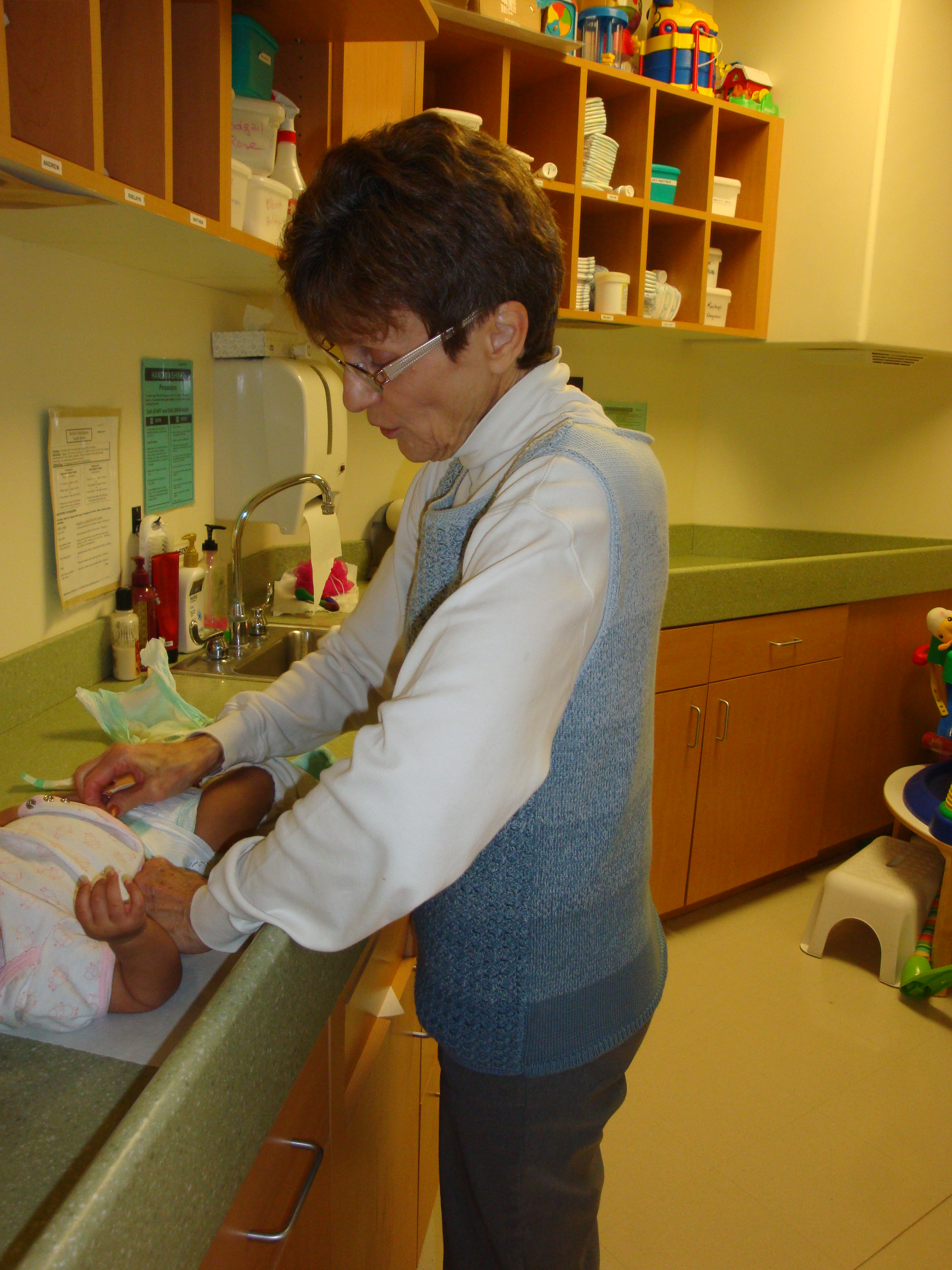
Diapering is a special time where we take the time and talk to your child. It is not a rushed procedure, but rather a calm activity where the child and caregiver get a chance to bond. Toilet learning is also a learning process assisted by our caregivers. The child is involved in the process (Eyer and Gonzalez-Mena, 2012) and decides when they are ready to begin. We provide small, child-size toilets that make the child feel more comfortable. When a child is ready to begin this process, we create a plan along with the family so the routines are consistent throughout the home and at school.
In both the infant and toddler classrooms, we practice good cleanliness skills and wash hands after diapering and before and after meals. We also encourage hand washing right upon arrival to get into a good habit. This is a great life-long skill that will help our children to stay healthy and clean. It is also a very enjoyable part of their day! Who wouldn't love to play in the water?
Individual Differences
Every child is different and has different needs that need to be met. We also understand and respect families that have special instructions or needs for their child. Little Sprouts recognize these needs and our caregivers pay close attention to the instructions given by the parents.
Our trained staff are also up to date in SIDS (Sudden Infant Death Syndrom) training and pay close attention to possible hazards introduced to the child.
Find out more about SIDS here: http://www.cjsids.org/resource-center/what-is-sids-suid.html
We encourage children to learn to take care of themselves in order to creat an independent individual (Eyer and Gonzalez-Mena, 2012) through self-help skills such as dressing and undressing. When your child arrives, we allow them to take off their "outside" shoes and slip into something more comfortable like slippers or "inside" shoes. We also give them plenty of opportunities throughout the day to encourage dressing themselves.
A child also has their own schedule for naptime. We like to encourage infants to sleep on their own schedule and inform you of the times when they do so at our center. Our toddler classroom has a set schedule and routine.
Play
Having a curriculum for infants and toddlers structured around play is very important in the classroom. It isn't always about structure and specific outcomes. Letting a child play uninterrupted is a great way to encourage problem solving all on their own. They can also learn to make their own choices and be free to move about the room. There encouraged to learn on their own terms and in their own time. Structured play is also an important part of the day, as these lesson plans are implemented from the teacher through the child's own interests observed by the teachers. Both structured and unstructured play is offered throughout the day to encourage these crucial social skills.